Smart rings have evolved from niche wearables into powerful health and lifestyle companions that rival smartwatches in functionality while offering unmatched discretion. If you’re considering adding a smart ring to your daily routine, this comprehensive guide covers everything you need to know—from health tracking features to battery life, sizing, and which ring suits your lifestyle best.
Jump to a section
What Is a Smart Ring?
A smart ring is a compact wearable device worn on your finger that tracks health metrics, monitors sleep, and in some cases enables contactless payments or device control. Unlike smartwatches, smart rings have no screens—they collect data silently and sync it to a companion app on your smartphone.
⚡ Quick Answer: Best overall is the Oura Ring Gen 3 for its industry-leading sleep tracking. Best no-subscription pick: the Ultrahuman Ring Air. Best for Samsung users: the Samsung Galaxy Ring. Best budget option: the RingConn Smart Ring.
The appeal is simplicity. You wear it like any other ring, charge it every few days, and gain detailed insights into your body without constantly glancing at your wrist.
Why Choose a Smart Ring Over a Smartwatch?
Smart rings and smartwatches serve overlapping purposes, but each has distinct advantages.
| Feature | Smart Ring | Smartwatch |
|---|---|---|
| Comfort during sleep | Lightweight, unobtrusive | Can feel bulky or uncomfortable |
| Discretion | Looks like jewellery | Clearly a tech device |
| Battery life | 4–7 days typical | 1–2 days typical |
| Screen and notifications | None | Full display with alerts |
| Accuracy for heart rate | Excellent (finger placement) | Good (wrist placement) |
| Fitness tracking depth | Basic activity metrics | GPS, workout modes, real-time stats |
| Style versatility | Matches formal and casual wear | Sporty or techy appearance |
Bottom line: Smart rings excel at 24/7 passive health monitoring—especially sleep tracking—while smartwatches are better for active workout tracking and on-wrist notifications.
Key Features to Look for in a Smart Ring
Before comparing specific models, understand the features that matter most.
1. Health and Fitness Tracking
Most smart rings monitor:
- Heart rate – Continuous or periodic optical heart rate monitoring
- Heart rate variability (HRV) – A key stress and recovery indicator
- Blood oxygen (SpO2) – Measures oxygen saturation levels
- Skin temperature – Detects variations that may indicate illness or cycle changes
- Steps and calories – Basic activity metrics
- Activity detection – Automatic recognition of walks, runs, or workouts
2. Sleep Tracking
Sleep analysis is where smart rings shine. Expect data on:
- Total sleep duration
- Sleep stages (light, deep, REM)
- Sleep latency (how long it takes to fall asleep)
- Restfulness and movement
- Overnight HRV and respiratory rate
3. Readiness and Recovery Scores
Many rings calculate a daily readiness score based on your sleep quality, HRV, resting heart rate, and recent activity. This helps you decide whether to push hard in a workout or prioritise rest.
4. Women’s Health Features
Some smart rings offer menstrual cycle tracking and ovulation prediction based on temperature patterns, providing a discreet alternative to wearable patches or fertility monitors.
5. Battery Life
Battery life typically ranges from 4 to 7 days, depending on the ring and which sensors are active. Some models offer up to 8 days with certain features disabled.
6. Water Resistance
Look for a rating of at least IP68 or water resistance to 100 metres. Most smart rings can be worn while swimming, showering, or washing hands.
7. Build Materials
Common materials include:
- Titanium – Lightweight, durable, hypoallergenic
- Ceramic – Scratch-resistant, premium feel
- Stainless steel – Heavier but robust
- Plastic/resin – Budget-friendly, lighter weight
8. App Quality and Insights
The companion app determines how useful your data becomes. Prioritise apps that offer:
- Clear data visualisation
- Trend analysis over weeks and months
- Actionable recommendations
- Integration with third-party platforms (Apple Health, Google Fit, Strava)
9. Subscription Requirements
Some manufacturers require a monthly or annual subscription to unlock full features. Others provide lifetime access with the purchase price. Factor ongoing costs into your budget.
Top Smart Rings Compared
Below is a detailed comparison of the leading smart rings currently available.
| Ring | Key Strengths | Battery Life | Water Resistance | Subscription Required | Best For |
|---|---|---|---|---|---|
| Oura Ring Gen 3 | Industry-leading sleep tracking, HRV, readiness scores, cycle tracking | 5–7 days | 100m | Yes (£5.99/month after trial) | Sleep optimisation and holistic health |
| Samsung Galaxy Ring | Seamless Samsung ecosystem integration, automatic workout detection, no subscription | 5–7 days | 10 ATM (100m) | No | Samsung phone users wanting simplicity |
| Ultrahuman Ring Air | No subscription, metabolic health focus, lightweight titanium | 5–6 days | 100m | No | Budget-conscious users wanting full features |
| RingConn Smart Ring | Affordable entry point, solid sleep and stress tracking | 5–7 days | IP68 | No | First-time smart ring buyers |
| Movano Evie Ring | Designed specifically for women’s health, FDA-cleared metrics | 4–5 days | IP68 | No | Women prioritising cycle and wellness tracking |
| Circular Ring Slim | Customisable alerts, vibration alarms, thinnest profile | 4 days | IP68 | Optional premium tier | Users wanting discreet notifications |
| Amazfit Helio Ring | Sports-focused, pairs with Amazfit watches for combined data | 4 days | 10 ATM | No | Athletes using Amazfit ecosystem |
Detailed Look at Each Smart Ring
1. Oura Ring Gen 3
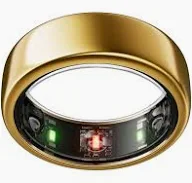
The Oura Ring remains the benchmark for smart ring technology. Its sleep tracking is exceptionally detailed, breaking down each night into sleep stages with accuracy that rivals clinical-grade devices. The readiness score has become a favourite among athletes and biohackers who want data-driven guidance on recovery.
Standout features:
- Blood oxygen sensing during sleep
- Daytime stress monitoring
- Period prediction based on temperature trends
- Guided audio sessions for focus and relaxation
Considerations:
- Requires a subscription after the initial trial period
- Limited real-time workout tracking compared to watches
- Premium pricing
📺 See more on Oura’s official YouTube channel
2. Samsung Galaxy Ring
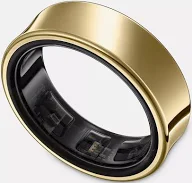
Samsung’s entry into the smart ring market brings deep integration with Galaxy smartphones and the Samsung Health app. Setup is seamless for existing Samsung users, and the ring shares data effortlessly with Galaxy Watches for a combined health picture.
Standout features:
- Find My Ring feature via SmartThings
- Energy score combining sleep and activity data
- Gesture controls for Samsung devices (e.g., dismiss alarms, take photos)
- Concave inner design for comfort
Considerations:
- Best experience requires a Samsung phone
- Fewer third-party app integrations than Oura
- Limited availability in some regions
📺 Watch: Introducing Galaxy Ring (official Samsung video)
3. Ultrahuman Ring Air
The Ultrahuman Ring Air positions itself as the subscription-free alternative to Oura, and it delivers. All features are unlocked at purchase, and the app provides a strong metabolic health focus, including movement index and recovery insights.
Standout features:
- Titanium construction at just 2.4g
- PowerPlugs for optimising sleep, movement, and recovery
- Integrates with Ultrahuman’s glucose monitoring platform
- Lifetime access to all features
Considerations:
- App polish slightly behind Oura
- Smaller community and third-party ecosystem
- No women’s health-specific features yet
📺 See more on Ultrahuman’s official YouTube channel
4. RingConn Smart Ring
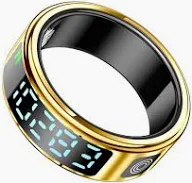
The RingConn offers impressive value, delivering core health tracking at a lower price point. Sleep, stress, heart rate, and blood oxygen monitoring are all present, and the app provides clear summaries without overwhelming detail.
Standout features:
- Affordable entry price
- Guided breathing exercises
- Long battery life for the price
- Multiple finish options
Considerations:
- Build quality feels less premium than titanium competitors
- Data insights less detailed than Oura or Ultrahuman
- Brand is newer with less track record
📺 See more on RingConn’s official YouTube channel
5. Movano Evie Ring
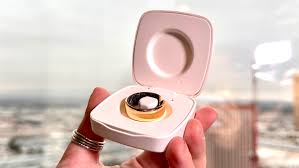
The Evie Ring is designed with women’s health at its core. It tracks menstrual cycles, sleep, and activity while featuring an elegant design intended to look like traditional jewellery rather than tech.
Standout features:
- FDA-cleared for wellness metrics
- Cycle tracking with symptom logging
- Pulse oximetry and respiratory rate
- Rose gold and silver finishes
Considerations:
- Currently marketed primarily to women
- Newer to market with evolving software
- Slightly shorter battery life
📺 See more on Evie Ring’s official YouTube channel
6. Circular Ring Slim
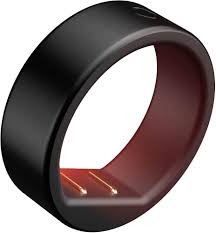
The Circular Ring Slim emphasises discretion and haptic feedback. It can vibrate to wake you during light sleep (smart alarm) or remind you to move—features most smart rings lack.
Standout features:
- Thinnest smart ring profile available
- Vibration alerts and alarms
- Kira AI assistant for personalised insights
- Nap detection
Considerations:
- Shorter battery life than competitors
- Premium features require subscription
- Less robust fitness tracking
📺 See more on Circular’s official YouTube channel
7. Amazfit Helio Ring
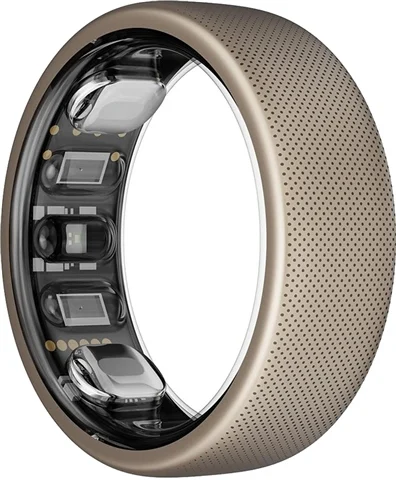
Designed to complement Amazfit smartwatches, the Helio Ring focuses on fitness and recovery. When paired with an Amazfit watch, it provides unified health data and improved workout accuracy.
Standout features:
- Titanium alloy shell
- Zepp app integration
- Pairs with Amazfit watches for enhanced metrics
- Competitive pricing
Considerations:
- Best value within Amazfit ecosystem
- Standalone functionality is more limited
- Shorter battery life
📺 See more on Amazfit’s official YouTube channel
How to Choose the Right Size
Smart ring sizing is crucial. Unlike watches with adjustable bands, rings must fit precisely.
Sizing Tips
- Order a sizing kit – Most manufacturers provide free or low-cost sizing kits with plastic sample rings.
- Measure at the right time – Fingers swell in heat and shrink in cold. Measure in the evening at room temperature for the most representative size.
- Wear the test ring for 24 hours – A ring that feels fine for an hour may become uncomfortable overnight.
- Index finger is most common – While you can wear a smart ring on any finger, the index finger often provides the best balance of comfort and sensor accuracy.
- Consider activity – If your fingers swell during exercise, size up slightly.
Common Smart Ring Sizes
| US Size | Inner Circumference (mm) | Inner Diameter (mm) |
|---|---|---|
| 6 | 51.9 | 16.5 |
| 7 | 54.4 | 17.3 |
| 8 | 57.0 | 18.1 |
| 9 | 59.5 | 18.9 |
| 10 | 62.1 | 19.8 |
| 11 | 64.6 | 20.6 |
| 12 | 67.2 | 21.4 |
| 13 | 69.7 | 22.2 |
Smart Rings vs. Fitness Trackers vs. Smartwatches
Understanding where smart rings fit among wearables helps clarify whether one suits your needs.
| Capability | Smart Ring | Fitness Band | Smartwatch |
|---|---|---|---|
| Sleep tracking quality | Excellent | Good | Good |
| 24/7 wearability | Excellent | Good | Moderate |
| Workout tracking | Basic | Good | Excellent |
| GPS | None | Some models | Most models |
| Notifications | None | Limited | Full |
| Battery life | 4–7 days | 5–14 days | 1–3 days |
| Style factor | High (jewellery-like) | Sporty | Sporty/techy |
| Price range | £200–£400 | £30–£150 | £150–£800 |
Who Should Buy a Smart Ring?
Smart rings are ideal for:
- Sleep optimisers – Anyone prioritising sleep quality insights
- Minimalists – Those who dislike bulky wearables
- Health-conscious professionals – People wanting discreet tracking in business settings
- Athletes focused on recovery – Using HRV and readiness scores to guide training
- Women tracking cycles – Discreet temperature-based fertility awareness
- People with wrist sensitivities – Those who find watches uncomfortable
Smart rings may not suit:
- Serious runners or cyclists – No GPS or real-time pace feedback
- Heavy notification users – No screen means no on-device alerts
- Budget-constrained buyers – Entry prices start around £200
How to Get the Most from Your Smart Ring
Wear It Consistently
Smart rings thrive on continuous data. Wear yours 24/7—including sleep—for the most accurate insights. Removing it frequently creates gaps that reduce trend accuracy.
Charge Strategically
Most rings last 5–7 days. Develop a charging habit—perhaps while showering or during your morning routine—to avoid running flat overnight when sleep tracking matters most.
Review Trends, Not Single Days
A single night’s data is interesting but limited. Look at weekly and monthly trends to identify patterns. Is your HRV consistently lower after late nights? Does your readiness drop mid-week?
Act on Readiness Scores
If your ring indicates low readiness, consider a lighter workout or extra rest. Over time, aligning activity with recovery status can improve performance and reduce injury risk.
Sync with Other Apps
Many smart rings integrate with Apple Health, Google Fit, or Strava. Consolidating data gives you a unified health picture alongside nutrition, workouts, and other metrics.
Common Questions About Smart Rings
Are smart rings accurate?
Smart rings measure heart rate from the finger, where blood flow is strong and consistent. Studies suggest finger-based optical sensors can match or exceed wrist-based accuracy for resting heart rate and HRV.
Can I wear a smart ring with a wedding ring?
Yes. Many users wear their smart ring on a different finger or on the opposite hand. Some prefer the index finger for tracking and keep their wedding ring on the traditional ring finger.
Do smart rings work with any phone?
Most smart rings support both iOS and Android, though some—like the Samsung Galaxy Ring—offer enhanced features with specific devices. Always check compatibility before purchasing.
How do I clean my smart ring?
Rinse with fresh water and dry with a soft cloth. Avoid harsh chemicals or abrasive cleaners. The sensors inside the ring should be kept clear of debris for accurate readings.
Will a smart ring replace my smartwatch?
For many users, a smart ring complements rather than replaces a smartwatch. The ring handles sleep and passive health tracking; the watch handles workouts, notifications, and on-wrist functionality. However, if you prioritise simplicity and dislike wearing watches, a smart ring alone may suffice.
The Future of Smart Rings
Smart ring technology continues advancing rapidly. Upcoming developments to watch:
- Blood pressure estimation – Several manufacturers are working on cuffless blood pressure monitoring
- Continuous glucose indications – Non-invasive glucose trends without finger pricks
- Expanded gesture controls – Controlling smart home devices, presentations, or music playback
- Improved battery life – New sensor efficiencies and smaller batteries pushing toward 10+ days
- Electrodermal activity (EDA) – More nuanced stress and emotional state detection
As sensors shrink and algorithms improve, smart rings will likely track an ever-broader range of health markers while remaining virtually invisible on your hand.
Final Thoughts
Smart rings occupy a unique space in the wearable market. They offer clinical-grade health insights in a form factor that disappears into daily life. Whether you’re optimising sleep, monitoring recovery, tracking your cycle, or simply curious about your body’s rhythms, a smart ring provides data without the distraction of a screen on your wrist.
For most buyers, the choice comes down to ecosystem, subscription tolerance, and specific health priorities. The Oura Ring Gen 3 remains the gold standard for comprehensive health tracking, while the Samsung Galaxy Ring wins for Android users deep in Samsung’s ecosystem. The Ultrahuman Ring Air offers the best value with no recurring fees, and the RingConn provides a budget-friendly entry point.
Whatever you choose, a smart ring is one of the most effortless ways to understand your health better—one day, and one night, at a time.
ALSO SEE Best Smart TVs for Movies, High Speed Gaming, and Streaming
📥 Get Our Free 2026 Digital Tools Stack
A free guide to the best hosting, VPN, cybersecurity and AI tools for 2026 — delivered straight to your inbox.
Compare These Picks Side by Side
[megastore76_smartbuy category=”Smart Devices”]You Might Also Like
 <span class="mrx-read-time-wrap mrx-read-time-before"><span class="mrx-read-time-badge">3 min read</span></span> Amazfit Bip 5 Pro Review 2026: The Best Budget Smartwatch for Everyday Wear
⚡ Quick Answer: The Amazfit Bip 5 Pro is the smartwatch to buy if you want a genuinely…
View Details <span class="mrx-read-time-wrap mrx-read-time-before"><span class="mrx-read-time-badge">7 min read</span></span> Best Smartwatches 2026: 8 Picks Compared (£5.67–£113.48)
Eight smartwatches from Megastore76's current stock compared on price, ecosystem and use case — from a £5.67 first watch to a £113 standalone 4G model with its own camera.
View Details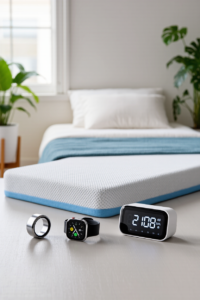 <span class="mrx-read-time-wrap mrx-read-time-before"><span class="mrx-read-time-badge">5 min read</span></span> Sleep Tracking 2026: Ring vs Watch vs Mattress Sensor vs Smart Alarm Clock
Ring, watch, under-mattress sensor or smart alarm clock — a decision-layer comparison of how each type of sleep tracker actually works, before you pick a specific model.
View Details <span class="mrx-read-time-wrap mrx-read-time-before"><span class="mrx-read-time-badge">3 min read</span></span> Amazfit Active 2 Review 2026: Budget Fitness Smartwatch With Real GPS
⚡ Quick Answer: The Amazfit Active 2 punches well above its budget price, packing offline maps, onboard GPS,…
View Details