If you’re planning to build a website, start a blog, launch an online store, or create a profitable online business in 2026, one of the biggest decisions you’ll face is choosing the right platform.
Two names dominate the conversation: Shopify vs WordPress.
Both platforms power millions of websites worldwide and have earned strong reputations for helping businesses establish a powerful online presence. However, they serve different purposes, offer unique advantages, and cater to different types of users.
The question many entrepreneurs ask is:
Should I use Shopify or WordPress in 2026?
The answer depends on your goals, budget, technical skills, and long-term business vision.
In this comprehensive guide, we’ll compare Shopify and WordPress in every important category, including ease of use, customization, SEO, e-commerce capabilities, security, pricing, scalability, and more. By the end, you’ll know exactly which platform is best for your specific needs.
⚡ Quick Answer: Choose Shopify if your main goal is selling products online with minimal technical setup. Choose WordPress if you focus on content, blogging, SEO, or need maximum customization. Both scale well — the right choice depends on your business model.
Understanding Shopify
🎥 Watch: Shopify Official YouTube Channel
Shopify is a dedicated e-commerce platform designed specifically for selling products online.
It provides everything you need in one package:
- Website hosting
- Security
- Payment processing
- Product management
- Inventory tracking
- Marketing tools
- Mobile optimization
Shopify’s primary goal is simple:
Help people sell online with minimal technical effort.
Whether you’re launching a dropshipping business, a print-on-demand store, or a global retail brand, Shopify is built to simplify the process.
Understanding WordPress
WordPress is the world’s most popular content management system (CMS), powering a large percentage of websites on the internet.
Unlike Shopify, WordPress is not exclusively focused on e-commerce.
You can use WordPress to create:
- Blogs
- News websites
- Business websites
- Membership platforms
- Educational portals
- Portfolio websites
- Online stores
For e-commerce functionality, WordPress typically uses plugins such as WooCommerce.
This flexibility makes WordPress incredibly powerful, but it also introduces additional complexity.
Shopify vs WordPress at a Glance
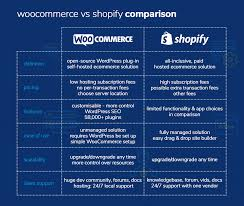
| Feature | Shopify | WordPress |
|---|---|---|
| Ease of Use | Excellent | Moderate |
| Blogging | Good | Excellent |
| E-commerce | Excellent | Excellent with WooCommerce |
| Hosting Included | Yes | No |
| Security | Managed | User-managed |
| SEO | Very Good | Excellent |
| Customization | Good | Outstanding |
| Maintenance | Minimal | User Responsibility |
| Scalability | Excellent | Excellent |
| Beginner Friendly | Excellent | Moderate |
Both platforms are powerful, but they excel in different areas.
Ease of Use
Jump to a section
Shopify: Designed for Beginners
One reason Shopify remains popular is its simplicity.
After signing up, users can:
- Choose a theme
- Add products
- Configure payments
- Launch a store
All without touching code.
The dashboard is intuitive and organized, making it ideal for first-time entrepreneurs.
Shopify Advantages
- No technical setup
- No server management
- Automatic updates
- Simple navigation
You can literally launch an online store within a few hours.
WordPress: More Flexibility, More Learning
WordPress offers greater control but requires more setup.
You’ll need:
- Hosting
- Domain registration
- WordPress installation
- Theme installation
- Plugin management
While none of these tasks are particularly difficult, they require a willingness to learn.
For complete beginners, WordPress has a steeper learning curve.
Winner: Shopify
If ease of use is your priority, Shopify wins comfortably.
Website Design and Themes
Your website’s design significantly impacts visitor trust and conversion rates.
Shopify Themes
Shopify offers professionally designed themes optimized for online stores.
Benefits include:
- Mobile responsiveness
- Fast loading speeds
- Modern layouts
- Conversion-focused designs
Many themes are ready to use immediately.
However, customization options are somewhat limited compared to WordPress.
WordPress Themes
WordPress offers thousands of themes.
You can create virtually any design imaginable.
Popular theme builders allow:
- Drag-and-drop editing
- Custom layouts
- Advanced styling
- Complete visual control
Whether you’re creating a personal blog or a corporate website, WordPress provides unmatched flexibility.
Winner: WordPress
WordPress offers significantly more design freedom.
E-Commerce Capabilities
This is where the battle becomes particularly interesting.
Shopify: Built for Selling
E-commerce is Shopify’s primary focus.
Features include:
- Product catalogs
- Inventory management
- Order processing
- Customer accounts
- Shipping tools
- Tax calculations
- Payment gateways
Everything works together seamlessly.
This integrated approach reduces technical headaches and allows entrepreneurs to focus on sales and marketing.
WordPress + WooCommerce

WordPress requires WooCommerce to match Shopify’s e-commerce functionality.
WooCommerce is extremely powerful and supports:
- Physical products
- Digital products
- Subscriptions
- Memberships
- Bookings
The advantage is flexibility.
The disadvantage is complexity.
Store owners often need multiple plugins to achieve functionality that Shopify includes by default.
Winner: Shopify
For pure e-commerce, Shopify remains the stronger and more streamlined solution.
SEO (Search Engine Optimization)
SEO is crucial for generating free traffic from search engines.
Shopify SEO

Shopify includes:
- Custom titles
- Meta descriptions
- Mobile optimization
- SSL security
- Fast performance
It provides everything most store owners need.
However, some technical SEO limitations still exist compared to WordPress.
WordPress SEO
WordPress is widely regarded as the king of SEO.
Powerful SEO plugins provide:
- Advanced optimization
- Schema markup
- Redirect management
- XML sitemaps
- Detailed analytics
Content-focused businesses often prefer WordPress because of its SEO flexibility.
Winner: WordPress
For SEO enthusiasts and content marketers, WordPress offers greater control.
Blogging Capabilities
Content marketing remains one of the most effective ways to build authority and attract customers.
Shopify Blogging
Shopify includes blogging features.
You can publish:
- Articles
- Guides
- Tutorials
- Product reviews
However, blogging is not Shopify’s primary strength.
The tools are functional but relatively basic.
WordPress Blogging
WordPress began as a blogging platform.
Its publishing capabilities remain unmatched.
Benefits include:
- Category management
- Advanced formatting
- Content organization
- Editorial workflows
- Extensive plugin support
For bloggers and publishers, WordPress is difficult to beat.
Winner: WordPress
WordPress remains the gold standard for blogging.
Security
Website security is more important than ever.
Cyberattacks continue to increase, making security a critical consideration.
Shopify Security
Shopify handles security for you.
This includes:
- SSL certificates
- Server maintenance
- Security updates
- Data protection
Store owners rarely need to worry about technical security matters.
WordPress Security
WordPress can be highly secure, but security is largely your responsibility.
You must:
- Update plugins
- Update themes
- Update WordPress core
- Monitor vulnerabilities
Failure to maintain your site can create security risks.
Winner: Shopify
Shopify provides a safer experience for non-technical users.
Hosting and Performance
Website speed directly impacts conversions and search rankings.
Shopify Hosting
Hosting is included.
Benefits include:
- High uptime
- Fast loading speeds
- Automatic optimization
- Global infrastructure
You don’t need to manage servers.
WordPress Hosting
Performance depends heavily on your hosting provider.
With premium hosting, WordPress can be extremely fast.
With poor hosting, performance may suffer.
Winner: Tie
Shopify is easier, but WordPress can match or exceed performance when properly configured.
App and Plugin Ecosystem
Shopify Apps
The Shopify App Store contains thousands of integrations.
Examples include:
- Email marketing
- Upselling
- Reviews
- Analytics
- Inventory tools
Most popular business needs are covered.
WordPress Plugins
WordPress offers an enormous ecosystem of plugins.
There are plugins for almost anything imaginable.
Examples:
- SEO
- Memberships
- Learning management systems
- Forums
- Booking systems
- Security enhancements
Winner: WordPress
Its plugin ecosystem remains unmatched.
Cost Comparison
Budget matters, especially for startups.
Shopify Costs
Typical expenses include:
- Monthly subscription
- Premium themes (optional)
- Apps (optional)
The pricing structure is straightforward and predictable.
WordPress Costs
Potential expenses include:
- Hosting
- Domain name
- Premium themes
- Premium plugins
- Developer assistance
Costs vary significantly depending on requirements.
Winner: Depends
Shopify is simpler.
WordPress can be cheaper or more expensive depending on your setup.
Scalability
Can the platform grow with your business?
Shopify Scalability
Shopify powers businesses ranging from startups to global brands.
Its infrastructure can handle substantial growth.
Many major retailers trust Shopify for high-volume sales.
WordPress Scalability
WordPress can also scale successfully.
Large publishers and enterprises use WordPress daily.
However, scalability often requires technical optimization and quality hosting.
Winner: Tie
Both platforms scale effectively when managed properly.
Customer Support
Shopify Support
Shopify offers dedicated support and extensive documentation.
When issues arise, help is readily available.
WordPress Support
WordPress relies heavily on:
- Community forums
- Hosting support
- Plugin developers
Support quality varies.
Winner: Shopify
Dedicated support provides peace of mind.
Best Use Cases for Shopify
Choose Shopify if you:
✅ Want to sell products online
✅ Prefer simplicity
✅ Don’t want technical responsibilities
✅ Need quick setup
✅ Want built-in e-commerce tools
✅ Value convenience over customization
Best Use Cases for WordPress
Choose WordPress if you:
✅ Focus heavily on content marketing
✅ Want maximum customization
✅ Enjoy flexibility
✅ Need advanced SEO control
✅ Plan to build more than just an online store
✅ Are willing to manage technical details
The Verdict: Which Platform Is Best in 2026?
After comparing every major category, the answer depends on your goals.
Choose Shopify If:
Your primary objective is selling products online.
Shopify offers the simplest, fastest, and most efficient route to launching and scaling an e-commerce business.
For most online stores, Shopify is the better choice.
🛒 START YOUR SHOPIFY JOURNEY NOW
Choose WordPress If:
Your business revolves around content, publishing, blogging, education, or extensive customization.
WordPress remains the most versatile website platform available.
For bloggers, publishers, and content creators, WordPress remains the superior choice.
The Ultimate Winner for Most Entrepreneurs
If your goal in 2026 is to create a professional online store and generate sales with minimal technical headaches, Shopify wins overall.
Its all-in-one ecosystem, built-in e-commerce tools, security, hosting, and ease of use make it the ideal platform for most entrepreneurs.
However, if your strategy centers around content marketing, affiliate marketing, SEO, and publishing—as many successful websites do—WordPress remains an exceptional choice and may actually provide greater long-term flexibility.
The good news is that neither choice is wrong.
Both Shopify and WordPress are industry leaders capable of helping you build a successful online presence.
The real key to success is not choosing the perfect platform—it’s choosing a platform, taking action, publishing valuable content, serving customers well, and consistently improving over time.
In 2026, opportunities in e-commerce and digital publishing are larger than ever. Whether you choose Shopify or WordPress, the best time to start building your online business is today.
📥 Get Our Free 2026 Digital Tools Stack
A free guide to the best hosting, VPN, cybersecurity and AI tools for 2026 — delivered straight to your inbox.
You Might Also Like
 Own Your Link-in-Bio Page — Meet LinkForge
A self-hosted link-in-bio page with per-link click analytics — the Linktree alternative you own outright. Full source code, one-time purchase — now available on Megastore76.
View Details Italist Review 2026: Is This Italian Luxury Marketplace Worth the Risk?
Italist sources brand-new designer pieces straight from Italian boutiques at prices well below international retail. We look past the marketing at what Trustpilot, the BBB, and real customer complaints say about customs fees, returns, and authenticity — plus how it compares to Mytheresa, Farfetch, YOOX, and Cettire.
View Details Print Once, Redirect Anywhere — Meet QRForge
A self-hosted dynamic QR code generator with scan analytics — edit where a printed code points, anytime, without reprinting. Full source code, one-time purchase — now available on Megastore76.
View Details Stop Renting Your Invoicing Tool — Meet InvoiceForge
A complete, self-hosted invoice generator and client manager — full source code, one-time purchase, no monthly subscription — now available on Megastore76.
View Details