
Whether you’re a budding photographer, a travel enthusiast, or a content creator chasing the perfect shot, digital cameras have completely transformed how we capture and share our world. Today’s cameras offer resolutions, autofocus systems, and video capabilities that would have seemed like science fiction just a decade ago.
In this 2026 buyer’s guide, we break down every major camera type, the features that actually matter, and our top picks — complete with a side-by-side comparison table so you can find the right digital cameras in seconds, not hours.
⚡ Quick Answer: For the best all-round hybrid, get the Nikon Z6III. For street and travel, choose the Fujifilm X100VI. For video-first creators, go with the Panasonic Lumix GH7. On a budget, the Canon EOS R10 is the smartest entry point.
Jump to a section
Quick Comparison: Best Digital Cameras 2026
| Camera | Best For | Sensor / Resolution | Video | Standout Feature |
|---|---|---|---|---|
| Nikon Z6III | Hybrid photo & video | 24.5MP full-frame | 6K/60p RAW | Fast 20fps burst, weather-sealed |
| Fujifilm X100VI | Street & travel | 40.2MP APS-C | 6.2K/30p | Hybrid optical/electronic viewfinder |
| Panasonic Lumix GH7 | Video-first creators | 25.2MP MFT | 5.8K open gate, ProRes RAW | Internal ProRes, built-in cooling fan |
| Fujifilm X-T5 | Enthusiast stills | 40.2MP APS-C | 6.2K/30p | Retro dial controls, 7-stop IBIS |
| Canon EOS R10 | Beginners on a budget | 24.2MP APS-C | 4K/30p uncropped | Excellent value autofocus |
| DJI Osmo Action 5 Pro | Action & adventure | 40MP, 1/1.3″ | 4K/120p | Waterproof to 65.6ft, no case needed |
| Canon EOS 5D Mark IV | DSLR traditionalists | 30.4MP full-frame | 4K/30p | 900-shot battery life |
Scroll for detailed reviews of each pick, plus budget-friendly vlogging cameras.
The Evolution of Digital Cameras
Digital cameras have come a long way since their inception in the late 20th century. The first true digital camera was invented in 1975 by Kodak engineer Steven Sasson, but it wasn’t until the 1990s that they became commercially viable. Early models were bulky, expensive, and offered resolutions as low as 0.01 megapixels. Today’s cameras boast resolutions in the tens of megapixels, advanced autofocus systems, and even 8K video recording.
The shift from analog film to digital sensors marked a pivotal change. Instead of capturing images on light-sensitive film, digital cameras use electronic sensors (CCD or CMOS) to convert light into digital data — enabling instant previews, easy editing, and unlimited shots without developing costs. In 2026, AI-enhanced processing, computational photography, and subject-tracking autofocus have made cameras more capable than ever, even as smartphone cameras continue to close the gap for casual users.
Types of Digital Cameras: Finding Your Fit
Not all digital cameras are created equal. Depending on your photography style and budget, there’s a type suited just for you.
Compact Point-and-Shoot Cameras — The everyday heroes of photography: small, lightweight, and easy to use. Ideal for beginners or casual users, with automatic settings that handle exposure, focus, and flash for you. Modern compacts offer impressive low-light performance and Full HD video, even if they don’t match higher-end image quality.
DSLR Cameras — Favorites among professionals and serious hobbyists. An optical viewfinder uses a mirror to reflect the scene directly from the lens for a true-to-life preview, and interchangeable lenses give you flexibility from wide-angle landscapes to telephoto wildlife shots. DSLRs excel in speed and handle low light superbly thanks to larger sensors.
Mirrorless Cameras — The dominant force in the camera world today. Mirrorless models ditch the bulky mirror system for a more compact design, using electronic viewfinders or rear screens for previews. Known for silent shooting, real-time exposure previews, and advanced video, they’re the top choice for vloggers and filmmakers in 2026.
Action and Adventure Cameras — Rugged, waterproof, and mountable, built for thrill-seekers. They capture wide-angle footage in high resolution with strong stabilization, great for underwater shots, biking trails, or skydiving, often supporting 4K at high frame rates for slow motion.
Bridge Cameras — Bridging the gap between compacts and DSLRs, offering powerful zoom lenses (up to 100x optical) in a single body. Versatile for wildlife or sports without needing multiple lenses, with manual controls for creative experimentation.
Key Features to Consider
- Sensor Size and Megapixels — Larger sensors (full-frame or APS-C) capture more light for better image quality, especially in dim environments. 12–24MP is sufficient for most users; pros may want 40MP+.
- Lens and Zoom — Interchangeable-lens systems allow customization. Optical zoom is preferable to digital zoom, which loses quality when magnifying distant subjects.
- Autofocus and Speed — Phase-detection autofocus with AI subject tracking (humans, animals, vehicles) is now standard on higher-end 2026 models. Burst mode (fps) matters for sports or wildlife.
- Video Capabilities — Check resolution (4K to 8K), frame rates, and in-body stabilization for smooth handheld footage.
- Connectivity and Battery Life — Wi-Fi, Bluetooth, and USB-C make transfers seamless. Battery life varies widely — some full-frame mirrorless models still lag behind DSLRs here.
- Weather-Sealing and Build — Important for outdoor and travel shooters; check IP ratings on action cameras specifically.
Digital Cameras vs. Smartphones
While smartphones have impressive computational cameras, dedicated digital cameras still hold the edge for serious use. They offer superior ergonomics with physical controls, optical zooms that avoid pixelation, and larger sensors for richer color and less noise in low light. Professionals rely on RAW file support for extensive post-processing — something still limited on most phones — and dedicated cameras encourage more deliberate, distraction-free shooting.
Best Digital Cameras 2026: Detailed Reviews
1. Nikon Z6III — Best Full-Frame Mirrorless
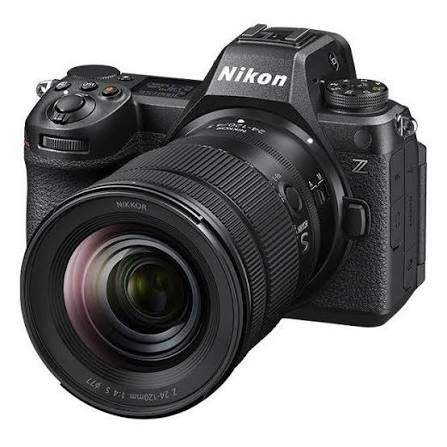
Key Specs: 24.5MP partially stacked BSI CMOS · 3D Tracking AF · 20fps RAW burst · 6K/60p RAW video · ISO 50–204,800 · 5-axis IBIS (8 stops) · 1.5 lbs
The Z6III stands out as a top-tier hybrid for stills and video. Its partially stacked sensor delivers exceptional image quality with minimal rolling shutter, ideal for fast-moving subjects like sports or wildlife. Autofocus is robust, though slightly less snappy than the Canon EOS R6 Mark II. A weather-sealed magnesium body and bright EVF round out a rugged, professional package. Battery life is average at ~390 shots per charge.
✅ Pros: Outstanding hybrid performance · Excellent low-light quality · Durable, weather-sealed build · High-res EVF and strong stabilization ❌ Cons: Battery life could be better · Nikon’s lens lineup is less extensive than Sony or Canon. 🎥 Watch: Nikon Z6III Official Product Tour Best for: Hybrid shooters, travel photographers, do-it-all enthusiasts. 🛒 SHOP ON AMAZON
Check current price on Amazon →
2. Fujifilm X100VI — Best Compact Camera
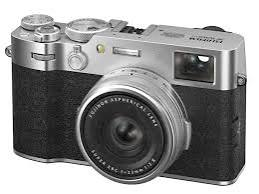
Key Specs: 40.2MP APS-C X-Trans CMOS 5 HR · Fixed 23mm f/2.0 lens · AI subject detection AF · 20fps electronic shutter · 6.2K/30p, 4K/60p video · 5-axis IBIS (6 stops) · 1.2 lbs
A dream for street and travel photographers, blending retro aesthetics with cutting-edge tech. The highest-resolution sensor in its class captures stunning detail, and Fujifilm’s Film Simulation modes deliver vibrant, film-like JPEGs straight out of camera. The hybrid optical/electronic viewfinder is a genuinely unique feature. Drawbacks: a single memory card slot and a premium price for a fixed-lens camera.
✅ Pros: Exceptional image quality · Stylish, portable design · Versatile hybrid viewfinder · Rich JPEG output ❌ Cons: Expensive for a fixed-lens camera · Single card slot limits pro use. 🎥 Watch: FUJIFILM X100VI Promotional Video Best for: Street photographers, travel enthusiasts, compact-camera lovers
Check current price on Amazon →
3. Panasonic Lumix GH7 — Best for Video
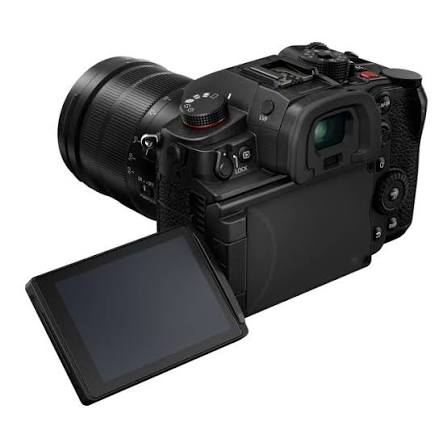
Key Specs: 25.2MP MFT CMOS · Phase-detect AF with subject recognition · 14fps burst · 5.8K/30p open gate, 4K/120p, ProRes RAW · ISO 100–25,600 · 7.5-stop IBIS · 1.8 lbs
A video-centric powerhouse for filmmakers. Internal ProRes RAW, 10-bit 4:2:2, V-Log recording, and a built-in cooling fan for unlimited recording make this a professional-grade video tool. Stills are sharp at 25MP, though low-light performance lags behind full-frame rivals. The bulkier body is a trade-off for the cooling system.
✅ Pros: Unmatched video features for the price · Excellent stabilization · Robust build with cooling · Versatile lens ecosystem ❌ Cons: Smaller sensor limits low light · Bulkier than other MFT cameras. 🎥 Watch: LUMIX GH7 New Product Launch Best for: Videographers, filmmakers, hybrid shooters prioritizing video
Check current price on Amazon →
4. Fujifilm X-T5 — Best APS-C Camera
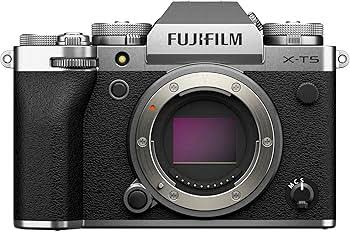
Key Specs: 40.2MP APS-C X-Trans CMOS 5 HR · Subject detection AF · 15fps mechanical / 20fps electronic · 6.2K/30p video · 7-stop IBIS · 1.3 lbs
A stellar choice for enthusiast photographers wanting a compact, high-resolution camera. The retro-inspired design with tactile dials is both functional and charming. The 7-stop IBIS ensures sharp handheld shots even in low light, and the weather-sealed body with an affordable X-mount lens ecosystem makes it a long-term system investment.
✅ Pros: High-resolution sensor · Retro design with intuitive controls · Strong autofocus and stabilization · Affordable lens ecosystem ❌ Cons: Limited buffer for continuous shooting · Less video-focused than the GH7. 🎥 Watch: FUJIFILM X Series Official YouTube Channel Best for: Enthusiast photographers, street shooters
Check current price on Amazon →
5. Canon EOS R10 — Best Entry-Level Camera
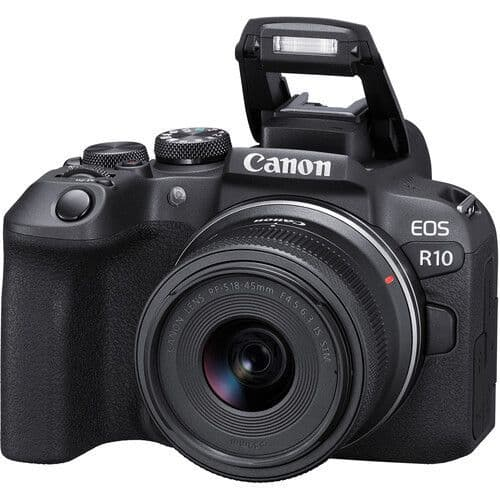
Key Specs: 24.2MP APS-C CMOS · Dual Pixel AF with subject tracking · 15fps mechanical / 23fps electronic · 4K/30p uncropped · 0.9 lbs
A fantastic entry-level mirrorless camera offering excellent value for beginners. Canon’s Dual Pixel autofocus tracks faces and eyes with ease, and the 15fps burst rate is impressive for the price. The lack of in-body stabilization is the main drawback, requiring stabilized lenses for handheld shooting.
✅ Pros: Affordable with strong performance · Excellent autofocus for the price · Lightweight and easy to use ❌ Cons: No in-body stabilization · Limited native RF-S lens selection. 🎥 Watch: Canon USA Official YouTube Channel Best for: Beginners, vloggers, budget-conscious photographers
Check current price on Amazon →
6. DJI Osmo Action 5 Pro — Best Action Camera
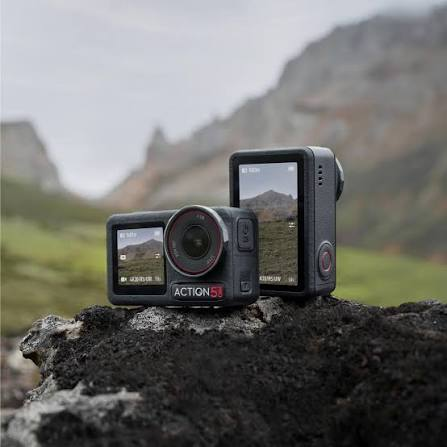
Key Specs: 1/1.3″ CMOS (40MP) · Electronic RockSteady 3.0 stabilization · 4K/120p, 10-bit D-Log M · Waterproof to 65.6ft without a case · 0.3 lbs
A top-tier action camera rivaling GoPro, with class-leading battery life and no overheating during long sessions. RockSteady 3.0 delivers smooth footage even during intense activity, and waterproofing to 65.6 feet without a housing is a genuine convenience. Low-light performance lags behind smartphones, and the companion app is less polished than GoPro’s.
✅ Pros: Excellent video quality and stabilization · Long battery life, no overheating · Affordable for an action camera ❌ Cons: Weak low-light performance · App needs improvement. 🎥 Watch: Meet DJI Osmo Action 5 Pro (Official) Best for: Adventure enthusiasts, vloggers, underwater photographers
Check current price on Amazon →
7. Canon EOS 5D Mark IV — Best DSLR
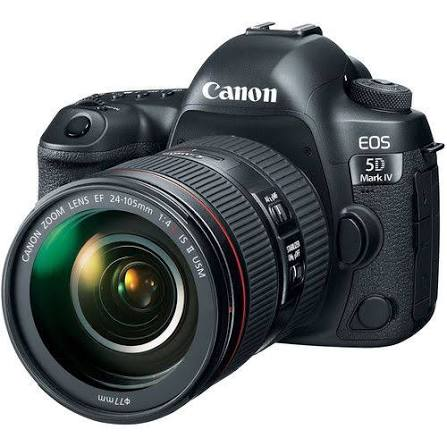
Key Specs: 30.4MP full-frame CMOS · 61-point Dual Pixel AF · 7fps burst · 4K/30p video · 1.8 lbs
Still a workhorse DSLR for professionals, particularly for wedding and landscape photography. The full-frame sensor delivers excellent dynamic range and Canon’s signature color science. The optical viewfinder and weather-sealed body appeal to traditionalists, and battery life is a real strength at up to 900 shots. Video is dated compared to modern mirrorless options.
✅ Pros: Superb image quality and color rendition · Durable, weather-sealed build · Long battery life ❌ Cons: Limited video features vs. mirrorless. 🎥 Watch: Canon USA Official YouTube Channel. · No in-body stabilization Best for: Wedding photographers, portrait shooters, DSLR loyalists
Check current price on Amazon →
8. Logitech C920x HD Pro Webcam — Best for Streaming & Video Calls
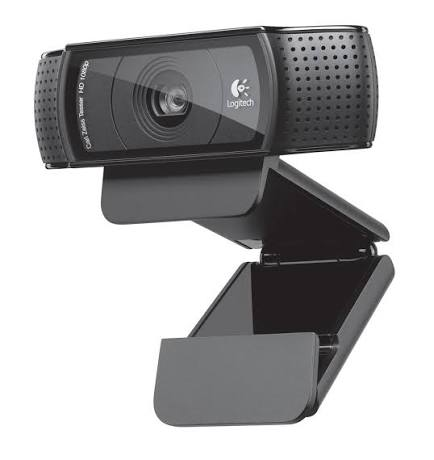
Full HD 1080p/30fps video with sharp autofocus and a wide 78-degree field of view. Built-in dual stereo microphones deliver clear, natural voice pickup, and HD light correction automatically adjusts to different lighting conditions — genuinely useful for remote work and streaming. Works flawlessly with Zoom, Teams, Skype, and OBS on Windows and macOS.
🎥 Watch: Logitech Official YouTube Channel
Best for: Remote work, streaming, video calls, budget content creation
Check current price on Amazon →
Budget Vlogging & Beginner Cameras
For newer creators who don’t need a full mirrorless system yet, budget vlogging cameras (typically 5K–8K photo resolution with dual screens, WiFi transfer, and flip screens for selfie framing) remain a smart entry point. Look for face detection, anti-shake, and a front-facing display as the minimum feature set. These sit well under the price of any camera above and are a sensible first step before upgrading to a mirrorless system.
Browse budget vlogging cameras on Amazon →
Frequently Asked Questions
What’s the best digital camera for beginners in 2026? The Canon EOS R10 offers the best balance of price, autofocus performance, and ease of use for beginners. For an even lower entry point, a budget dual-screen vlogging camera is a solid first step.
Is a mirrorless camera better than a DSLR? For most users in 2026, yes — mirrorless cameras offer lighter bodies, faster autofocus, silent shooting, and better video specs. DSLRs like the Canon EOS 5D Mark IV still win on battery life and appeal to photographers who prefer an optical viewfinder.
Do I need a full-frame sensor? Only if you shoot professionally or need the best possible low-light performance. APS-C cameras like the Fujifilm X-T5 deliver excellent image quality at a lower cost and with a lighter kit.
What camera is best for vlogging? Look for a flip or front-facing screen, reliable autofocus, and good in-camera stabilization. The Fujifilm X100VI and Panasonic Lumix GH7 are strong options for creators who want to grow into a more serious video setup.
Are action cameras waterproof without a case? Many 2026 models, including the DJI Osmo Action 5 Pro, are waterproof up to roughly 65 feet without an additional housing — check the specific depth rating before diving or surfing with one.
Final Thoughts
Digital cameras in 2026 are redefining how we capture and share our world. With AI scene detection, subject tracking, wireless connectivity, and ultra-high-resolution sensors, today’s cameras offer a powerful blend of convenience and performance. Whether you’re a seasoned photographer, an aspiring content creator, or someone who simply wants sharper memories, there’s a camera on this list built for you — and as the technology keeps evolving, investing in the right one now means staying ahead, not just keeping up.
Disclosure: As an Amazon Associate, I earn from qualifying purchases.
📥 Get Our Free 2026 Digital Tools Stack
A free guide to the best hosting, VPN, cybersecurity and AI tools for 2026 — delivered straight to your inbox.
Previous post ”Digital Cameras: Capture Life’s Moments with Precision and Style”
Compare These Picks Side by Side
You Might Also Like
 Best Clear Backpacks for School 2026: Policy-Compliant Picks Compared
Clear backpacks are one of 2026's fastest-growing back-to-school trends, driven by school safety policy. We compare JanSport, Amazon Basics, QOECI, Eastsport, and Under Armour clear backpacks on durability, laptop protection, and organisation.
View Details Best AI Note-Taking Devices for Students 2026: Digital Notebooks vs. AI Voice Recorders
AI note-taking devices are one of the fastest-growing back-to-school tech categories in 2026 — but digital notebooks and AI voice recorders solve different problems. We compare Viwoods AiPaper, reMarkable, and Plaud Note Pro to help you pick the right one.
View Details Best Back-to-School Tech & Desk Setup Gadgets 2026: 4 Picks Compared
Four back-to-school tech picks backed by real August 2026 trend data — a wireless-charging desk lamp, an 8-in-1 USB-C hub, a foldable Bluetooth keyboard, and a cable management kit — compared for students setting up a dorm or study desk this term.
View Details 10 Trending Amazon Products in 2026 You Can Shop Right Now (Compared)
Ten genuinely trending Amazon UK products compared side by side – hydration, home lighting, K-beauty, fitness supplements and nursery essentials – with real prices, pros, cons and a full comparison table.
View Details