Understanding the psychological tricks gamblers play on themselves
The Illusion of Control
Many gamblers often fall prey to the illusion of control, believing they have the ability to influence the outcome of random games. This psychological trick can lead to the false confidence that they can predict results in games like roulette or slots. For instance, a player might feel that if they have experienced a series of losses, a win must be just around the corner, resulting in them increasing their bets in hopes of a big payout. This mindset can lead to reckless gambling behavior and ultimately significant losses. To experience the vibrant games GoKong offers, players can simply perform a Go Kong login and explore the extensive interactive options available.
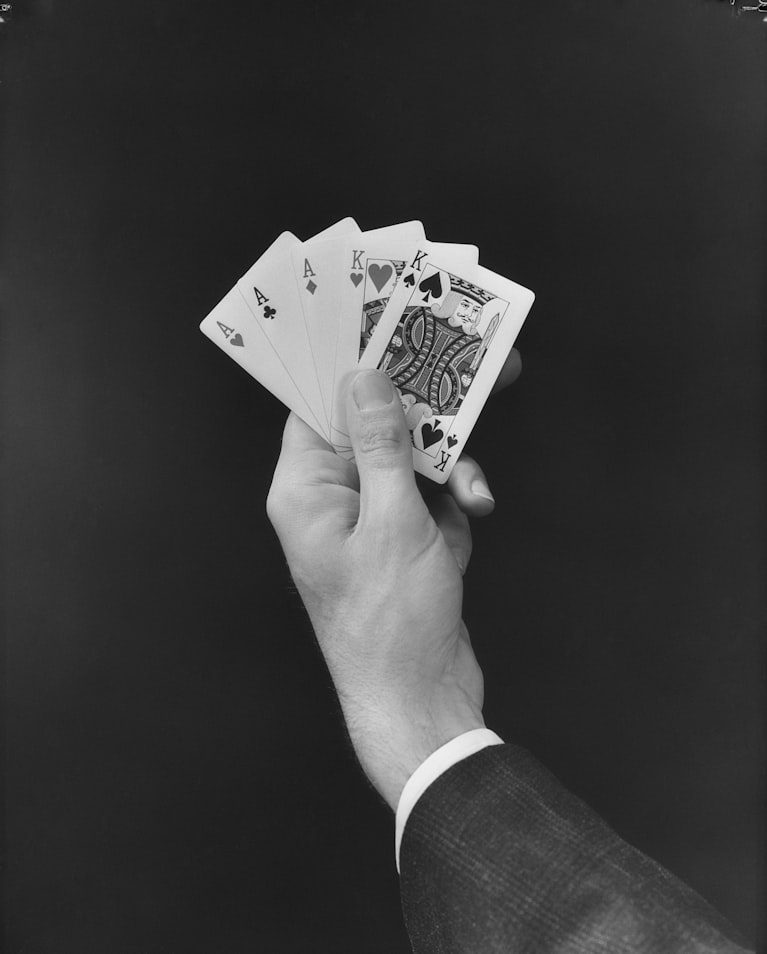
The feeling of control is enhanced by cognitive biases, such as the gambler’s fallacy, where individuals mistakenly believe that past random events affect future outcomes. For example, after a long streak of black wins in roulette, a player may think that red is “due” to appear. This erroneous belief can keep players engaged for longer periods, despite the game’s inherent randomness. The psychological aspect of feeling in control can be a compelling reason for many to continue gambling, even when the odds are not in their favor.
Understanding the illusion of control is crucial for gamblers looking to manage their behavior. Acknowledging that chance plays a significant role in outcomes can help players make more informed decisions. By recognizing these patterns, gamblers can reduce the influence of cognitive biases and curb impulsive betting, ultimately leading to healthier gambling practices.
The Role of Near Misses
Near misses, where a player comes close to winning but ultimately loses, are powerful psychological tools that can keep gamblers engaged. These experiences can trigger feelings of excitement and hope, leading players to believe that a win is imminent. For example, if a player spins the reels on a slot machine and sees two matching symbols with a third just out of reach, the brain may register this moment as a sign of encouragement. This can lead to the continuation of play, often resulting in greater losses.
Research has shown that near misses can activate the brain’s reward systems similarly to actual wins. This neurological reaction can create a compulsion to chase these experiences, as players become addicted to the thrill of almost winning. Consequently, the likelihood of increased betting and extended gambling sessions rises, blurring the lines between enjoyment and problematic behavior.
To combat the influence of near misses, it’s important for gamblers to cultivate awareness about their emotional responses. Recognizing that near misses do not equate to progress can help break the cycle of chasing losses. Setting limits on play and taking breaks can assist in maintaining perspective and managing the urge to gamble, providing a healthier relationship with gaming activities.
The Power of Sunk Cost Fallacy
The sunk cost fallacy is a common psychological trick that affects gamblers significantly. This concept refers to the tendency to continue investing in a decision based on prior investments, such as time or money, rather than assessing the current value or outcome. In gambling, this often manifests when players feel compelled to keep betting because they have already lost a considerable amount. The thought process may include, “I can’t quit now; I’ve already lost so much.”
This fallacy can lead to devastating financial consequences, as players may throw good money after bad in an attempt to recoup their losses. The more they gamble, the harder it becomes to accept defeat and walk away, creating a cycle of addiction. This psychological trap is especially prevalent in high-stakes environments, where the pressure to recover losses can lead to irrational decision-making.
To overcome the sunk cost fallacy, gamblers should focus on making decisions based on future potential rather than past expenditures. Setting predetermined limits on losses can help in breaking the cycle. Furthermore, acknowledging that losses are part of the game and understanding the odds can facilitate a healthier mindset, allowing players to enjoy gaming without being consumed by previous investments.
The Appeal of Social Proof
Social proof plays a significant role in the gambling world, influencing how individuals perceive their behaviors and choices. This psychological phenomenon occurs when individuals look to others to guide their decisions, believing that the actions of others reflect the correct behavior. In casinos and online gambling platforms, witnessing others’ wins can create a bandwagon effect, compelling more players to join in. The excitement of a big win can lure individuals into thinking that they, too, can experience similar success.
This effect is amplified in online settings where big wins are often highlighted in promotional materials or social media, creating a narrative that success is achievable. As a result, many gamblers may feel pressured to continue playing, believing that they are part of a winning community. The allure of social proof can lead to overconfidence and diminished risk assessment, as players might ignore the reality of their own gambling patterns.
To mitigate the influence of social proof, it is essential for gamblers to focus on their own experiences and set personal limits based on individual circumstances. Recognizing that every player’s journey is unique can help reduce the tendency to compare oneself with others. Gamblers should strive to create a personal gambling strategy that prioritizes enjoyment and responsible play over the desire to conform to perceived social expectations.

Promoting Responsible Gaming at GoKong
Understanding the psychological tricks that gamblers play on themselves is vital for promoting responsible gaming, especially in online environments such as GoKong. With an array of games available at players’ fingertips, it becomes increasingly important to stay aware of these psychological influences. GoKong provides a secure space for Australian players, emphasizing responsible gaming practices through informative resources and support systems.
At GoKong, players can benefit from a variety of tools aimed at promoting healthy gaming habits. These include self-exclusion options, setting deposit limits, and access to customer support. Such resources empower players to take control of their gambling habits, ensuring that the gaming experience remains enjoyable and safe. By fostering a culture of awareness and support, GoKong creates a welcoming environment for players to indulge in gaming without falling prey to common psychological traps.
Ultimately, the combination of recognizing psychological influences and leveraging the responsible gaming measures provided by platforms like GoKong can lead to a more satisfying and secure gambling experience. Players are encouraged to explore the exciting world of gaming while being mindful of their behaviors, ensuring that the thrill of the game does not overshadow their well-being.
