
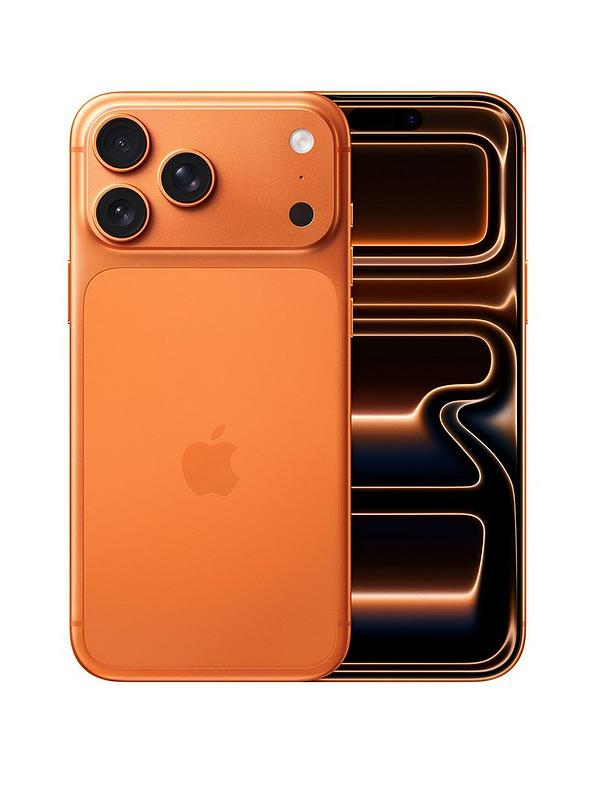
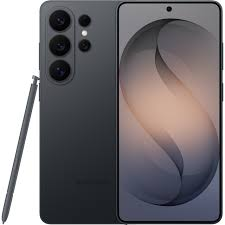
Choosing between an Apple Inc. iPhone and a Samsung Electronics Galaxy smartphone has become one of the biggest debates in the tech world. Both brands dominate the premium smartphone market, offering cutting-edge technology, powerful cameras, sleek designs, and impressive performance. But the big question remains: Which smartphone is better this year — iPhone or Samsung?
The answer depends on what matters most to you. Some users prefer Apple’s smooth ecosystem and long-term software support, while others love Samsung’s innovation, customization, and display technology. In this guide, we compare iPhone vs Samsung in detail to help you decide which smartphone deserves your money in 2026.
Jump to a section
Design and Build Quality
When it comes to premium design, both iPhone and Samsung deliver top-tier craftsmanship.
Apple’s latest iPhones continue to feature elegant aluminum or titanium frames with minimalist styling. The design is clean, premium, and instantly recognizable. iPhones are especially popular among users who love simplicity and a luxury feel.
Samsung, however, pushes design innovation further. Devices like the Galaxy S series and foldable Galaxy Z series offer futuristic looks and curved-edge displays. Samsung often experiments with slimmer bezels, vibrant finishes, and foldable technology.
Why iPhone Is Better in Design
- Premium and consistent build quality
- Simple and elegant appearance
- Strong durability with Ceramic Shield protection
Example
The latest iPhone Pro models feel extremely refined and professional, making them ideal for business users and content creators.
Why Samsung Is Better in Design
- More innovative smartphone designs
- Foldable phones offer tablet-like experiences
- Slimmer bezels and more display variety
Example
Samsung’s foldable Galaxy Z Fold lineup transforms from a smartphone into a mini tablet, something Apple still does not offer.
Display Quality
Samsung has long been known for making some of the best smartphone displays in the world. In fact, even Apple sources display technology from Samsung for some iPhones.
Meanwhile, Samsung smartphones usually feature:
- Higher refresh rates
- More vibrant AMOLED panels
- Better brightness levels for outdoor use
Meanwhile, iPhones focus on color accuracy and smooth optimization between hardware and software.
Why Samsung Is Better for Displays
- Brighter AMOLED screens
- Better for gaming and streaming
- More immersive viewing experience
Example
Watching Netflix or playing games on a Samsung Galaxy Ultra device feels incredibly cinematic because of its vivid colors and deep blacks.
Why iPhone Is Better for Displays
- Excellent color accuracy
- Better app optimization
- Consistent viewing experience
Example
Photographers and video editors often prefer iPhones because colors appear more natural and realistic.
🎥 Watch: Introducing iPhone 17 Pro | Apple Official
Camera Performance
The camera battle between iPhone and Samsung is extremely competitive this year.
Apple focuses on natural-looking photos and excellent video recording. Samsung focuses on detail, zoom capabilities, and AI-powered enhancements.
Why iPhone Cameras Are Better
- Industry-leading video quality
- Natural skin tones
- Smooth camera app performance
Example
Many YouTubers and TikTok creators use iPhones because video stabilization and cinematic recording are incredibly reliable.
Why Samsung Cameras Are Better
- Superior zoom technology
- Sharper high-resolution images
- More camera features and modes
Example
Samsung Galaxy Ultra phones can capture detailed moon shots and long-distance zoom photos that most iPhones struggle to match.
🎥 Watch: Introducing Galaxy S26 Ultra | Samsung Official
If you love social media videos, iPhone may be the better option. If you enjoy photography flexibility and zoom power, Samsung has the advantage.
Performance and Speed
Both Apple and Samsung smartphones are incredibly fast in 2026.
Apple designs both the hardware and software of the iPhone, which gives it exceptional optimization. Apps launch quickly, animations are smooth, and gaming performance is outstanding.
Additionally, Samsung smartphones use powerful processors like Snapdragon and Exynos chips, combined with large RAM capacities for multitasking.
Why iPhone Is Better for Performance
- Better long-term speed optimization
- Smooth iOS experience
- Excellent gaming performance
Example
Even older iPhones continue to run smoothly years after release because Apple optimizes iOS specifically for its devices.
Why Samsung Is Better for Multitasking
- More RAM options
- Better split-screen functionality
- Advanced productivity features
Example
Samsung users can run multiple apps side-by-side more efficiently, making Galaxy phones ideal for productivity.
Software Experience
This is one of the biggest differences between iPhone and Samsung.
iPhones run on iOS, while Samsung devices use Android with Samsung’s One UI skin.
Why iPhone Software Is Better
- Simpler and cleaner interface
- Faster software updates
- Strong privacy and security
Example
Apple devices usually receive software updates for many years, helping older phones stay secure and functional.
Why Samsung Software Is Better
- More customization options
- Greater flexibility
- Better file management and multitasking
Example
Samsung allows users to customize themes, widgets, app layouts, and advanced settings far more than iPhones.
If you prefer simplicity, choose iPhone. If you enjoy personalization and control, Samsung is likely better.
Battery Life and Charging
Battery performance depends on the specific model, but Samsung generally offers faster charging speeds.
Why Samsung Is Better for Charging
- Faster wired charging
- Faster wireless charging
- Larger battery capacities on some models
Example
Many Samsung flagship phones can charge significantly faster than iPhones, reducing downtime.
Why iPhone Is Better for Battery Optimization
- Excellent power efficiency
- Better standby performance
- Reliable battery health management
Example
iPhones often maintain stable battery performance over several years of use.
Ecosystem and Connectivity
Apple’s ecosystem is one of its biggest strengths.
If you own a MacBook, iPad, Apple Watch, or AirPods, the iPhone integrates seamlessly with them. Features like AirDrop and iCloud synchronization make the experience smooth and convenient.
Similarly, Samsung also has a growing ecosystem with Galaxy tablets, watches, earbuds, and Windows integration.
Why iPhone Ecosystem Is Better
- Seamless device integration
- Excellent synchronization
- Better continuity features
Example
You can start a task on your iPhone and continue it instantly on a MacBook.
Why Samsung Ecosystem Is Better
- Better compatibility with non-Samsung devices
- More open connectivity
- Easier file transfers
Example
Samsung works more freely with Windows PCs and Android accessories.
Price and Value
Samsung often offers more hardware features at competitive prices, while iPhones usually retain resale value better.
Why Samsung Is Better for Value
- More options across different budgets
- Better hardware specifications at similar prices
- Frequent discounts
Why iPhone Is Better for Long-Term Value
- Higher resale value
- Longer software support
- Strong brand reliability
Example
Used iPhones often sell for higher prices compared to older Samsung devices.
So, Which Smartphone Is Better This Year?
Overall, the truth is that both iPhone and Samsung produce excellent smartphones. Your choice depends on your needs and preferences.
Choose an iPhone If:
- You want a simple and smooth experience
- You love video recording and content creation
- You use other Apple products
- You value long-term software updates
Choose Samsung If:
- You want advanced customization
- You enjoy vibrant displays and powerful zoom cameras
- You prefer multitasking and productivity
- You want innovative features like foldable phones
For many users, the iPhone remains the best all-around smartphone for simplicity and ecosystem integration. However, Samsung continues to lead in innovation, display technology, and smartphone versatility.
No matter which brand you choose, both Apple and Samsung offer flagship smartphones that are powerful, stylish, and packed with modern features for 2026.
See also VPN Services: Unlock the Internet with Speed and Security.
Compare These Picks Side by Side
You Might Also Like
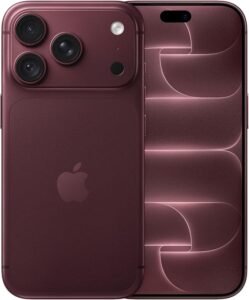 iPhone 18 Pro Review 2026: Is Apple’s New Flagship Worth the Upgrade?
The iPhone 18 Pro and Pro Max are here with a new A20 Pro chip, Ceramic Shield 2, and Apple's longest-ever battery life. We compare both models, a verified eBay refurbished deal, and the best MagSafe case and screen protector picks from Amazon, eBay and AliExpress.
View Details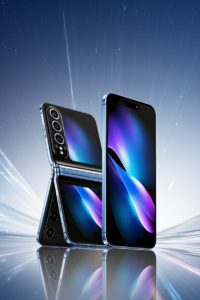 Samsung Galaxy Z Fold 8 Review 2026: What’s Confirmed vs What’s Still Rumored
Samsung's newest foldable lineup just launched in two tiers. Here's what's actually confirmed about the Galaxy Z Fold 8 and Fold 8 Ultra, and what's still reported rather than official.
View Details Honor IT Review 2026: Is Buying Direct From HONOR Worth It?
HONOR's official store puts the full Magic, N Series, and X Series lineup direct from the manufacturer, with launch-day availability and brand-backed warranty. Here's how it compares to Samsung, Xiaomi, and OnePlus in 2026.
View Details Best Smartphones 2026: Top 10 Ranked, Complete Review & Compared
Are you looking for the best smartphone to buy in 2026? With so many flagship devices hitting the…
View Details

[…] See also iPhone vs Samsung: Which Smartphone Is Better This Year? […]