
Welcome to the age of intelligent sound. A smart speaker is more than a convenient audio gadget—it’s the nerve center of the modern smart home. Whether you’re streaming music, asking for the weather, or dimming the lights, these voice-activated devices are always ready to help, and the 2026 lineup sounds better than ever.
⚡ Quick Answer: Apple households should get the Apple HomePod (2nd Gen). For the best value with a built-in smart-home hub, go with the Amazon Echo Studio. For the widest spatial soundstage, choose the Sonos Era 300.
Learn also about Smart Water Heaters
Jump to a section
What Is a Smart Speaker?
A smart speaker is a wireless audio device with a built-in virtual assistant—Amazon Alexa, Google Assistant, or Apple Siri. Beyond playing music, it can respond to voice commands, control smart home devices, deliver news and weather, set reminders, and sync for multi-room audio, all through AI and Wi-Fi connectivity.
Comparison at a Glance
| Model | Best For | Assistant | Standout Feature |
|---|---|---|---|
| Apple HomePod (2nd Gen) | Apple ecosystem users | Siri | Room-sensing spatial audio, U1 chip Handoff |
| Amazon Echo Studio | Home cinema & Amazon ecosystem | Alexa | Built-in Zigbee/Matter hub, Dolby Atmos |
| Sonos Era 300 | Multi-room & streaming flexibility | Alexa / Sonos Voice Control | Wide spatial soundstage, Trueplay tuning |
| Google Home Speaker | Google/Gemini homes | Gemini | Gemini for Home natural conversation, 360-degree sound |
| Bose Smart Speaker 700 | Design-conscious listeners | Alexa | PhaseGuide sound dispersion, ADAPTiQ room calibration |
1. Apple HomePod (2nd Gen)
The HomePod delivers room-filling, high-fidelity sound through a 4″ high-excursion woofer and five beamforming tweeters that automatically adjust to your room’s acoustics. It doubles as a Siri and HomeKit hub, supports AirPlay 2 and Spatial Audio with Dolby Atmos content, and uses the U1 chip for instant handoff from a nearby iPhone. Apple emphasizes on-device privacy processing throughout.
✅ Pros: excellent spatial audio and bass, seamless Apple/HomeKit integration, privacy-first design, elegant build.
❌ Cons: Siri still trails Alexa and Google Assistant in skill breadth, no Bluetooth audio or Spotify Connect, premium price, can leave marks on wood surfaces.
Best for: Apple households that want best-in-class audio with tight HomeKit integration.
2. Amazon Echo Studio
The Echo Studio uses five dedicated drivers and Dolby Atmos processing for room-filling, adaptive 3D sound, with bass/treble EQ sliders for fine-tuning. It doubles as a built-in Zigbee and Matter smart-home hub, so it can control compatible devices directly with no extra hardware, and it pairs especially well with Fire TV for a home cinema setup.
✅ Pros: excellent spatial audio and loudness, built-in Zigbee/Matter hub saves buying a separate one, strong Fire TV and Atmos integration, competitively priced against rivals.
❌ Cons: bass is solid but not room-shaking without an Echo Sub, needs some space to sound its best, full Atmos experience favors Amazon Music.
Best for: Amazon and Fire TV households wanting near-premium sound with a smart-home hub built in.
3. Sonos Era 300
Six drivers—four tweeters and two mid/bass woofers powered by six Class D amplifiers—give the Era 300 an unusually wide, detail-rich soundstage with genuine Dolby Atmos spatial audio from a single unit. It’s the first mains-powered Sonos speaker with Bluetooth alongside Wi-Fi 6 and AirPlay 2, and Trueplay room calibration adapts the sound to wherever you place it. It can also serve as a rear surround speaker with a Sonos Arc or Beam.
✅ Pros: exceptionally wide spatial soundstage, flexible connectivity including Bluetooth, expandable into a full Sonos home theater setup, 5+ years of promised software support.
❌ Cons: bass can feel light at low volumes without a Sub, Atmos music is limited to Apple Music and Amazon Music Unlimited, needs open placement with side clearance for full effect.
Best for: multi-room households and home theater fans who want to expand into the wider Sonos ecosystem over time.
4. Google Home Speaker
⚠️ Note: Google discontinued the Nest Audio in 2026, replacing it with the Gemini-powered Google Home Speaker ($99.99) — this section covers the current model.
Built around a 58mm driver with 2.5x the bass of the old Nest Mini, the Google Home Speaker is Google’s first speaker designed specifically for Gemini rather than the older Google Assistant. It handles natural, conversational commands including multi-step requests and follow-ups, groups easily into multi-room audio with other Nest/Google Home devices, and can pair with a Google TV Streamer for a home theater setup.
✅ Pros: strong Gemini natural-conversation handling, easy multi-room grouping with other Google Home devices, compact and affordable relative to premium rivals, solid 360-degree everyday sound.
❌ Cons: no built-in Zigbee hub, doesn’t match the spatial audio depth of the HomePod or Era 300, Gemini for Home is still rolling out and occasionally inconsistent.
Best for: Android and Google Home households that want reliable everyday sound with Gemini’s newer conversational assistant.
5. Bose Smart Speaker 700
Bose’s PhaseGuide and QuietPort technology give the Smart Speaker 700 wide sound dispersion with a clear midrange and controlled bass, wrapped in a slim glass-and-steel design built to blend into a living room. ADAPTiQ automatic room calibration tunes the output to your space, and it connects via Wi-Fi, Bluetooth, AirPlay 2, and Spotify Connect, with Alexa built in.
✅ Pros: premium hi-fi sound without needing a subwoofer, elegant, unobtrusive design, wide multi-room and streaming compatibility, regular firmware updates.
❌ Cons: the companion app has a reputation for rough edges, premium price for a single speaker, some features can be region-locked.
Best for: design-conscious buyers who want premium sound and don’t mind an occasionally clunky app.
What to Look for in a Smart Speaker
- Sound priorities — decide whether wide spatial audio (Era 300, HomePod) or deep, room-filling bass (Echo Studio) matters more to you.
- Assistant compatibility — pick based on the ecosystem you already live in: Siri for Apple, Alexa for Amazon, Google Assistant for Android.
- Smart home support — check whether it needs a separate hub or has Zigbee/Matter built in, like the Echo Studio.
- Expandability — if you might build a home theater or multi-room setup later, Sonos and Amazon both scale well within their ecosystems.
Verdict: Which Should You Buy?
Apple households get the most polished experience from the HomePod (2nd Gen), while Amazon and Fire TV users get exceptional value and a built-in smart-home hub with the Echo Studio. If you want the widest spatial soundstage and room to expand into a full home theater later, the Sonos Era 300 is the pick. Google Home households after solid everyday sound at a fair price should look at the Google Home Speaker, and if design matters as much as sound, the Bose Smart Speaker 700 is hard to beat.
Frequently Asked Questions
Do smart speakers work without Wi-Fi?
No. Smart speakers need a Wi-Fi connection to reach their voice assistant and streaming services; without it, most lose voice control and can only play audio over Bluetooth where supported.
Can I mix smart speaker brands in the same home?
Yes, but multi-room grouping and Dolby Atmos features generally only work within the same ecosystem—an Echo Studio won’t group seamlessly with a Sonos Era 300, for example.
Which smart speaker has the best smart-home integration?
The Amazon Echo Studio stands out for including a Zigbee and Matter hub directly in the speaker, letting it control compatible smart-home devices without any extra hardware.
See Also: Smartphone | Smart Water Heaters
Browse the latest smart speakers on Amazon
📥 Get Our Free 2026 Digital Tools Stack
A free guide to the best hosting, VPN, cybersecurity and AI tools for 2026 — delivered straight to your inbox.
Get My Free Copy →Compare These Picks Side by Side
[megastore76_smartbuy category=”Smart Devices”]You Might Also Like
 <span class="mrx-read-time-wrap mrx-read-time-before"><span class="mrx-read-time-badge">7 min read</span></span> Best ANC Headphones Under £50 in 2026: 5 Real Noise-Cancelling Picks
Five genuinely active-noise-cancelling wireless headphones under £50 in 2026, compared side by side — a category that barely existed a year ago, now with real ANC dB ratings, Hi-Res LDAC support, and long battery life.
View Details <span class="mrx-read-time-wrap mrx-read-time-before"><span class="mrx-read-time-badge">8 min read</span></span> Best ANC Wireless Earbuds Under £50 in 2026: 5 Real Noise-Cancelling Picks
Five wireless earbuds under £50 where active noise cancellation is the headline feature, not an afterthought — compared on ANC rating, codec support, and battery life.
View Details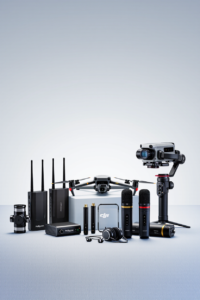 <span class="mrx-read-time-wrap mrx-read-time-before"><span class="mrx-read-time-badge">7 min read</span></span> Hollyland Review 2026: Are These Wireless Mics, Video Transmitters & Intercoms Worth It for Creators?
Hollyland's LARK wireless mics, Pyro/Mars video transmitters, and Solidcom intercoms reviewed honestly — what each product line does, a strong 4.4/5 Trustpilot record, and how it compares to DJI and Rode.
View Details <span class="mrx-read-time-wrap mrx-read-time-before"><span class="mrx-read-time-badge">9 min read</span></span> Best Bose Speakers 2026: SoundLink Micro, Flex, Max & Revolve+ II Compared
Looking for the best Bose Bluetooth speaker in 2026? We compare the SoundLink Micro, Flex, Max, and Revolve+ II side by side — battery life, waterproofing, and sound — so you can pick the right one for how and where you listen.
View Details

[…] See Also Smart Speaker […]
[…] Learn Also About SMART SPEAKER […]
[…] See also: Smart Devices | Smart Projectors | Smart Speakers […]
[…] See Also: Smart Speaker […]