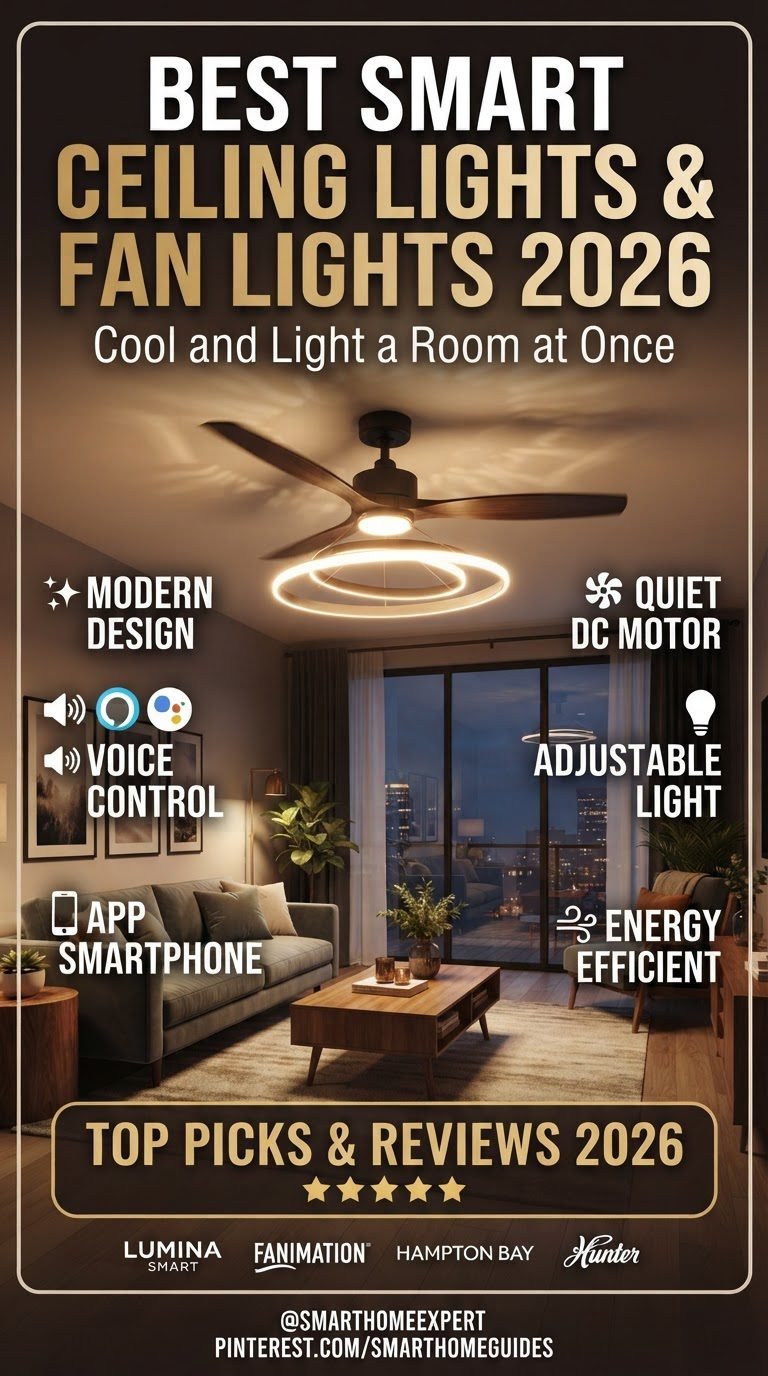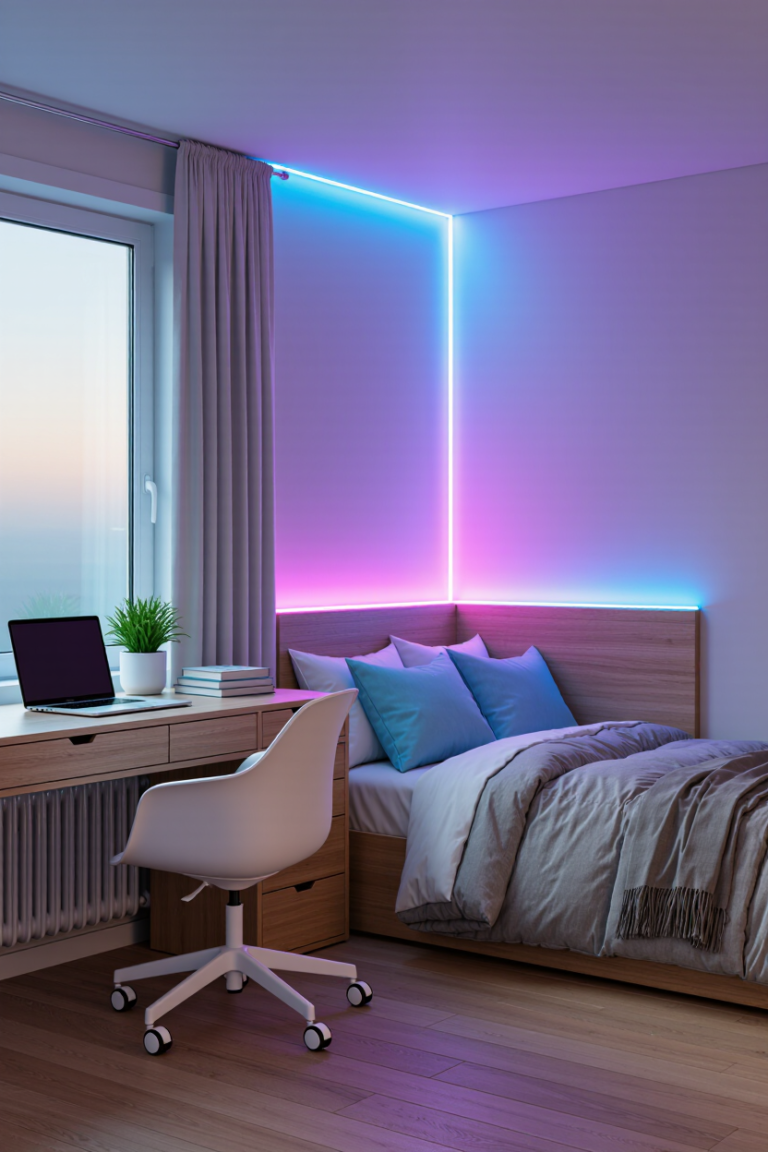
LED strip lights are the cheapest way to make a room look completely different. For the price of a takeaway you can wash a wall in colour, light the underside of a kitchen cabinet, or make a TV wall look like a cinema. But the category is full of near-identical-looking products with wildly different results — and one specification separates the strips that look genuinely impressive from the ones that look like a novelty. This guide compares the best LED strip lights of 2026 and explains exactly what to look for.
Jump to a section
RGB vs. RGBIC: The Only Spec That Really Matters
If you take one thing from this guide, take this. A standard RGB strip displays a single colour along its entire length — every LED shows the same thing at the same time. An RGBIC strip contains an integrated circuit that lets different segments show different colours simultaneously, producing the flowing rainbow effects and multi-colour scenes you see in photos.
Almost every disappointed LED strip review comes down to this. Someone buys a budget RGB strip expecting the rainbow effect from the product photography, and gets a strip that can only be one colour at a time. Neither is wrong — RGB is perfectly good for a single warm accent glow behind a headboard, and it costs considerably less. Just buy the one that matches what you pictured.
⚡ Quick Answer: Best budget buy is the KSIPZE LED Strip — app control and music sync at a fraction of the price of premium brands. Best overall effects are from Govee RGBIC strips. Best premium option is the Philips Hue Lightstrip if you already own a Hue bridge. Best value RGBIC is the Tapo L930. Best for smart home standards is Nanoleaf Essentials with Matter and Thread. Best for long runs is Lepro.
Best LED Strip Lights of 2026 Compared
| Strip | Best For | Type | Hub Needed? | Music Sync |
|---|---|---|---|---|
| KSIPZE LED Strip | Best budget option | RGB | No | Yes |
| Govee RGBIC Strip | Best colour effects | RGBIC | No | Yes — best in class |
| Philips Hue Lightstrip | Premium smart home setups | Gradient | Bridge recommended | Via Hue Sync |
| Tapo L930 | Best value RGBIC | RGBIC | No | Yes |
| Nanoleaf Essentials | Matter & Thread households | RGBIC | No | Yes |
| Lepro LED Strip | Long runs on a budget | RGB | No | Yes |
Key Features to Look For
1. Adhesive Quality
The single most common complaint about cheap strips is that they fall off the wall within weeks, especially in warm rooms or on textured paint. Look for 3M-branded backing, clean the surface with isopropyl alcohol before fitting, and use the small mounting clips supplied with better sets for anything running along a ceiling.
2. Cuttable Segments
Most strips can be cut, but only at marked intervals — typically every 10cm. Measure your run first. Cutting anywhere other than the marked line permanently breaks that section, and RGBIC strips generally cannot be reconnected after cutting.
3. Music Sync Method
Strips sync to music either through a small built-in microphone or via the app listening on your phone. Built-in microphones react to whatever is playing in the room, which works better for parties. App-based sync is more precise but ties up your phone.
4. Power Supply and Length
Long runs need adequate power or the far end noticeably dims — a problem called voltage drop. If you’re lighting a whole room perimeter, buy a set rated for that length rather than joining two shorter kits to one adapter.
5. Voice Assistant Support
Nearly all of these work with Alexa and Google Assistant over Wi-Fi. Bluetooth-only strips are cheaper but can only be controlled from a phone in the same room, with no voice control and no remote access.
Detailed Look at Each Strip
1. KSIPZE LED Strip Lights
The value champion of the category, and the reason it has accumulated tens of thousands of reviews. You get app control, music sync, a remote and a long run of strip for a fraction of what the premium brands charge — ideal for a first attempt at accent lighting.
Standout features:
- Outstanding value for the length supplied
- App, remote and music sync all included
- Simple setup with no hub required
- Long runs suitable for a full room perimeter
Considerations:
- Standard RGB — one colour at a time, not multi-colour segments
- App is basic compared to Govee or Hue
- Adhesive benefits from extra clips on ceilings
2. Govee RGBIC LED Strip
If the multi-colour effects are what sold you on LED strips, this is the brand that delivers them. Govee’s RGBIC strips show several colours along their length at once, and the app has by far the deepest library of scenes, effects and music modes in the category.
Standout features:
- True RGBIC multi-colour segments
- Best app in the category for scenes and effects
- Excellent music sync with a built-in microphone
- Wide range of lengths and outdoor-rated versions
Considerations:
- More expensive than basic RGB strips
- App pushes account creation and notifications
- Cannot be reconnected once cut
3. Philips Hue Lightstrip
The premium option, and the only one that feels like a permanent part of the house rather than an accessory. Colours are richer, whites are properly calibrated, and reliability over years is a clear step above everything else here.
Standout features:
- Best colour accuracy and white tone quality
- Gradient versions blend multiple colours smoothly
- Rock-solid reliability and long product support
- Integrates with the whole Hue lighting system
Considerations:
- By far the most expensive option per metre
- Full features really need a Hue Bridge
- TV sync requires the separate Hue Sync Box
4. TP-Link Tapo L930
The sensible middle ground. It delivers genuine RGBIC multi-colour segments at close to budget-strip pricing, needs no hub, and slots neatly alongside Tapo cameras and plugs if you already own them.
Standout features:
- True RGBIC effects at a mid-range price
- No hub required — connects straight to Wi-Fi
- Works with Alexa and Google Assistant
- Fits into the wider Tapo smart home range
Considerations:
- Fewer scenes and effects than the Govee app
- Shorter standard length than budget strips
- Music sync less responsive than Govee
5. Nanoleaf Essentials Light Strip
The most future-proof choice. Nanoleaf’s Essentials range supports Matter and Thread, the emerging standards designed to let smart home devices from different brands work together properly — including full Apple Home compatibility without extra hardware.
Standout features:
- Matter and Thread support built in
- Works natively with Apple Home, Alexa and Google
- Excellent white tone range alongside colour
- More responsive control than Wi-Fi-only strips
Considerations:
- Thread benefits need a Thread border router in the home
- Priced above Tapo and Govee equivalents
- Fewer party-style effects than Govee
6. Lepro LED Strip Lights
Built for covering distance cheaply. If you’re lighting a long hallway, a garage, a loft or the full perimeter of a large room, Lepro’s extended kits deliver the metres without the premium brand markup.
Standout features:
- Very long runs available at low cost
- Bright output for the price
- Adequate power supplies to limit voltage drop
- Simple remote and app control
Considerations:
- Standard RGB rather than RGBIC on most kits
- Basic app with limited scenes
- Adhesive quality varies between kits
Who Should Buy Which Strip?
- First-time buyers on a budget: KSIPZE LED Strip
- You want the rainbow effects from the photos: Govee RGBIC
- Existing Philips Hue household: Philips Hue Lightstrip
- Best balance of price and effects: Tapo L930
- Apple Home or Matter-based setups: Nanoleaf Essentials
- Long hallways, garages and loft spaces: Lepro
Common Questions About LED Strip Lights
Can LED strip lights be cut to size?
Most can, but only at the marked cut lines, usually every 10cm. Cutting elsewhere permanently disables that section. RGBIC strips generally cannot be rejoined after cutting, so measure carefully before you start.
Do LED strips use much electricity?
Very little. A typical five-metre strip draws roughly the same as a single traditional light bulb, and considerably less when running at reduced brightness or a single colour rather than full white.
Why do my strip lights keep falling off the wall?
Usually surface preparation. Clean the surface with isopropyl alcohol and let it dry fully before fitting, avoid textured or freshly painted walls, and add mounting clips for ceiling runs where gravity works against the adhesive all day.
Can I connect two strips together?
Often yes, using the connectors supplied, but the combined length must stay within what the power supply can handle. Exceed it and the far end of the run will look visibly dimmer than the start.
Do they work with Alexa and Google Assistant?
Wi-Fi models generally do, allowing voice control and remote access when you’re out. Bluetooth-only strips can only be controlled from a phone within range, with no voice support — check which type you’re buying.
Best LED Strip Lights 2026: Verdict
Decide between RGB and RGBIC first, and the rest of the choice falls into place. If you want a single warm glow behind a bed, a TV or a kitchen counter, the KSIPZE strip does that beautifully for very little money, and there is no reason to spend more. If you pictured flowing multi-colour effects, you need RGBIC, and the Govee strips deliver those better than anything else at a sensible price.
Philips Hue remains the quality benchmark, but it’s a system purchase rather than a single product. For most rooms, a Tapo L930 gets you nine-tenths of the effect for a fraction of the outlay — smart value over premium pricing, exactly as it should be.
ALSO SEE Smart House: The Ultimate Guide to a Smart Home in 2026
📥 Get Our Free 2026 Digital Tools Stack
A free guide to the best hosting, VPN, cybersecurity and AI tools for 2026 — delivered straight to your inbox.
Compare These Picks Side by Side
[megastore76_smartbuy category=”Smart Devices”]You Might Also Like
 <span class="mrx-read-time-wrap mrx-read-time-before"><span class="mrx-read-time-badge">8 min read</span></span> Best Dorm Room LED Strip Lights 2026: Renter-Safe Picks for Students
RGB LED strips are a huge dorm-room trend, but rental rooms need a different approach than a general buying guide — renter-safe mounting, budget picks, and the right run length for a single desk wall or headboard.
View Details <span class="mrx-read-time-wrap mrx-read-time-before"><span class="mrx-read-time-badge">9 min read</span></span> Best Smart Ceiling Lights & Fan Lights 2026: Cool and Light a Room at Once
The best smart ceiling lights and fan lights of 2026 compared. We rank multi-colour fan lights, bladeless fans, Philips Hue, Yeelight, Govee and smart bulbs for every budget.
View Details <span class="mrx-read-time-wrap mrx-read-time-before"><span class="mrx-read-time-badge">5 min read</span></span> Smart Lights in 2026: The 5 Best Smart Bulbs Compared
Imagine walking into your home and the lights turn on just the way you like them—soft, warm, and…
View Details